Everything began on a trip I did with my wife, Emma, and my children, Elisabet and Joan, to Morocco. I wanted them to discover a country that, in my previous visits with my motorbike, impressed me — especially because of its people, who are welcoming and kind.
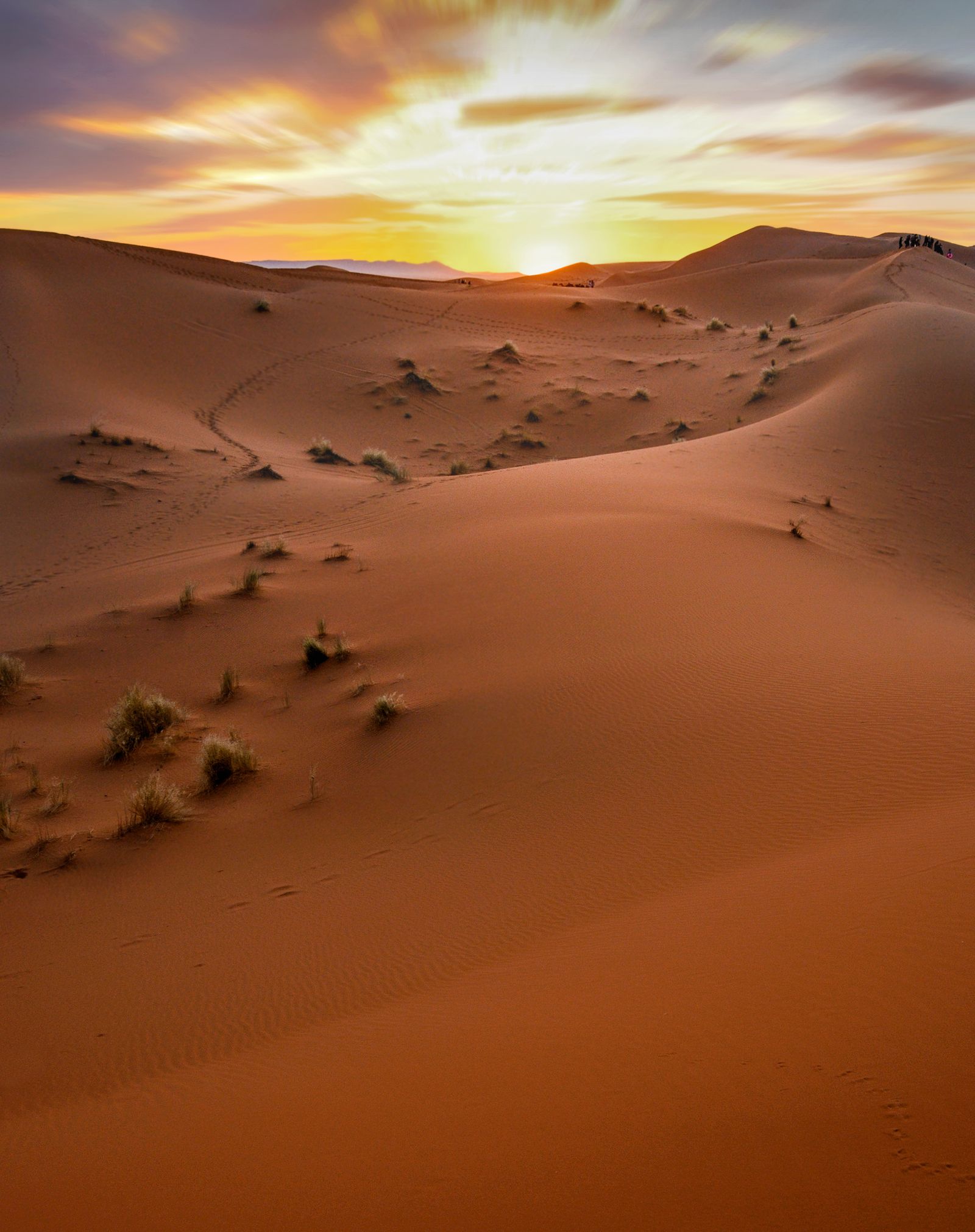
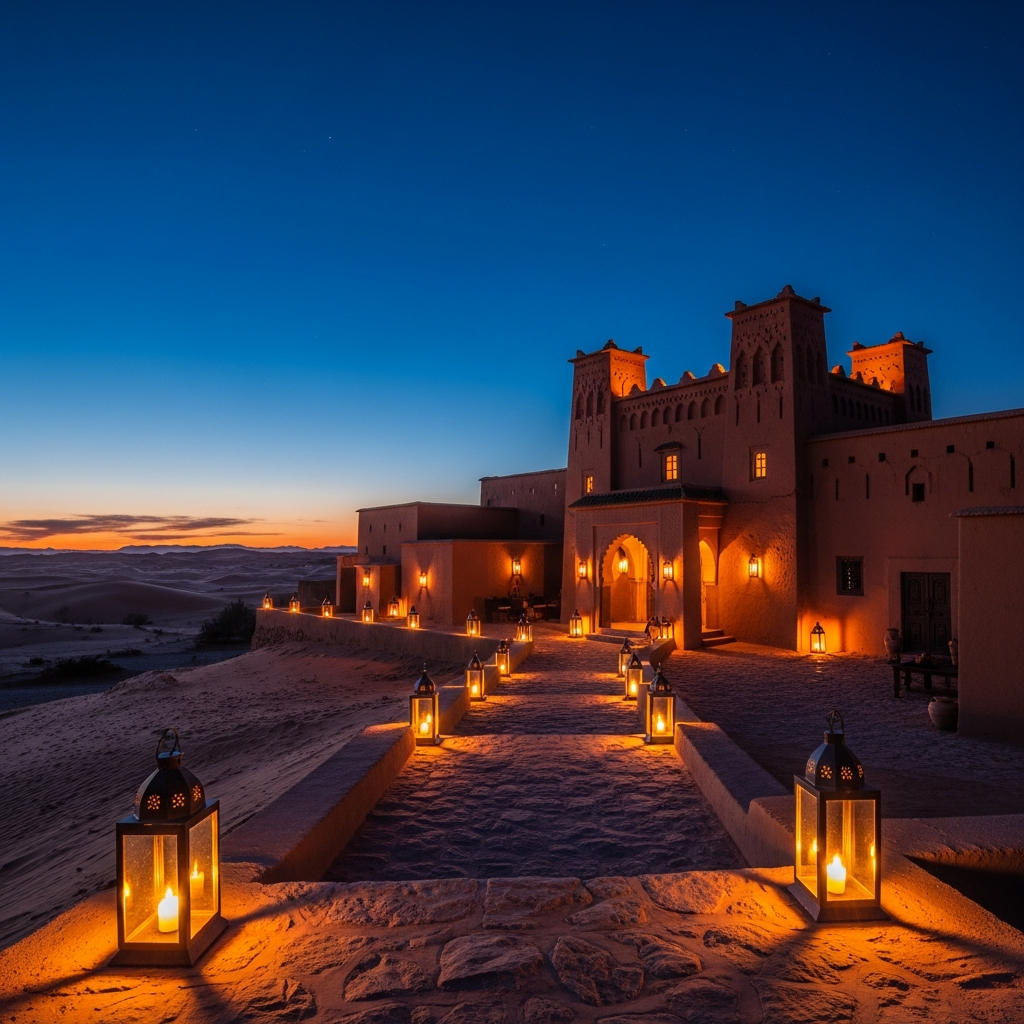
We arrived in Erfoud — called Arfoud at the time, and nicknamed "The door to the desert." At the gas station, a cheerful young man put fuel in our vehicle. With a clumsy yet humorous attempt to speak Spanish, he asked me where we were going. When we told him we were going towards Merzouga to see the Erg Chebbi "desert of dunes," he offered to accompany us, saying he knew the area well — his family had the Café-Restaurant Des Dunes in Erfoud and a small hostel near Merzouga.
We had no interest in being guided. I had already driven the route, and the boy was young and a stranger. He insisted a lot — and with his smile, he convinced us. He jumped into the car without even telling his family that he would be away for the night.
During the trip, he offered to organise a walk by dromedary around the dunes, and we accepted. Once we were on the dromedaries, about to head out with a nomad guiding the animals, the young man asked me for the keys to my car. I thought he had forgotten something inside, and I threw them to him. I was stunned when I saw him drive off — disappearing with all our belongings in the vehicle. Emma had a nervous breakdown; she thought the car had been stolen in front of us.
I tried to communicate with the nomad who owned the dromedaries, but he did not understand a word I was saying. His only reply was a big smile.
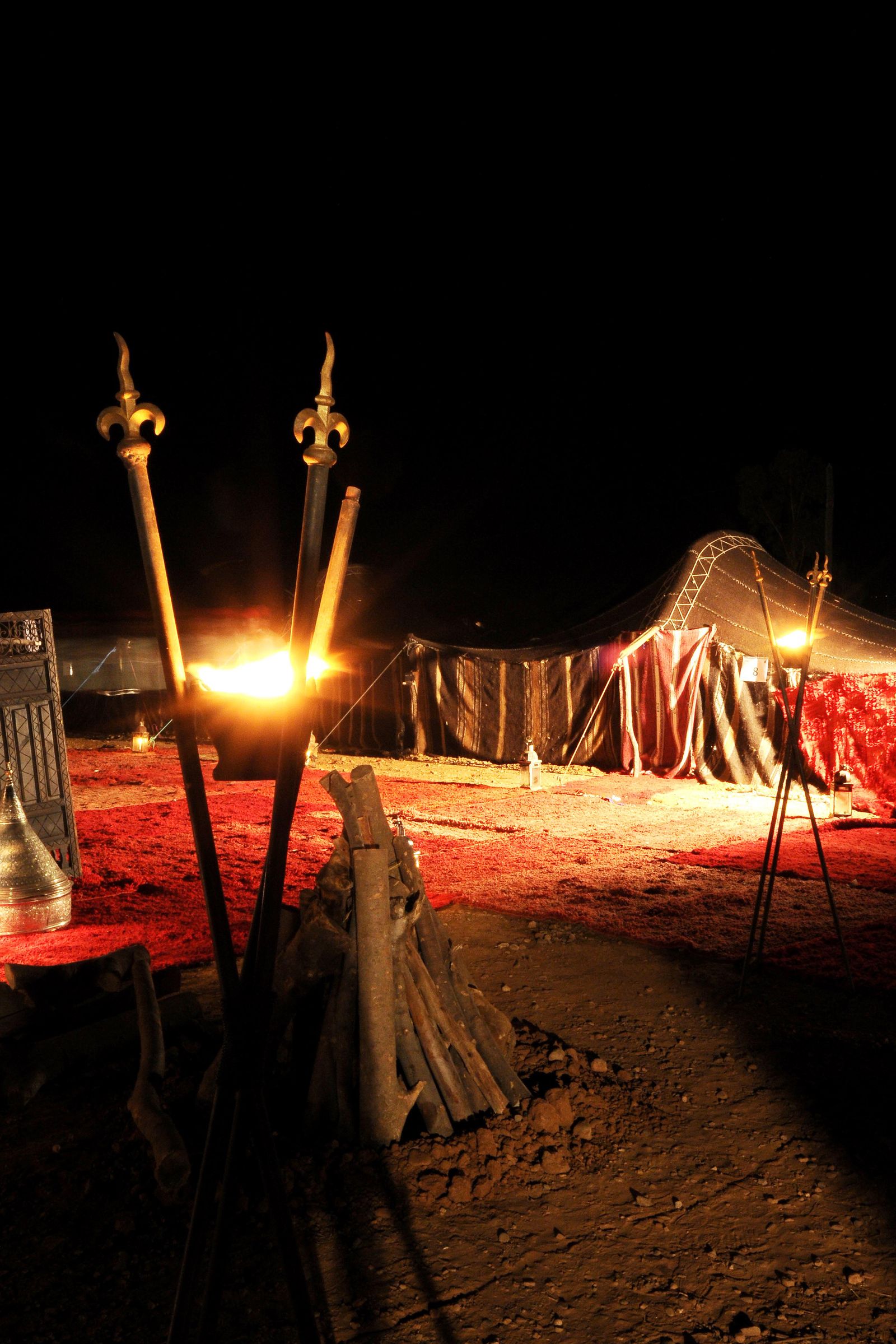
We spent three hours riding the dromedaries through the dunes until we reached a settlement of people from Black Africa called “Hamelia.” The first thing I saw was my car — washed and in perfect condition. What the young man had done was take the car to the end of the route and wash it, hoping for a tip. The problem was that he had not told us before what he was doing.
The Hamelian people treated us in an extraordinary way; they made us feel unique and gave us sensations I cannot really explain. To thank them for everything they did for us, we decided to come back the next year with more people, school materials, clothes and other gifts for the families — and we contacted the young man from the petrol station again. His name was Tayeb.
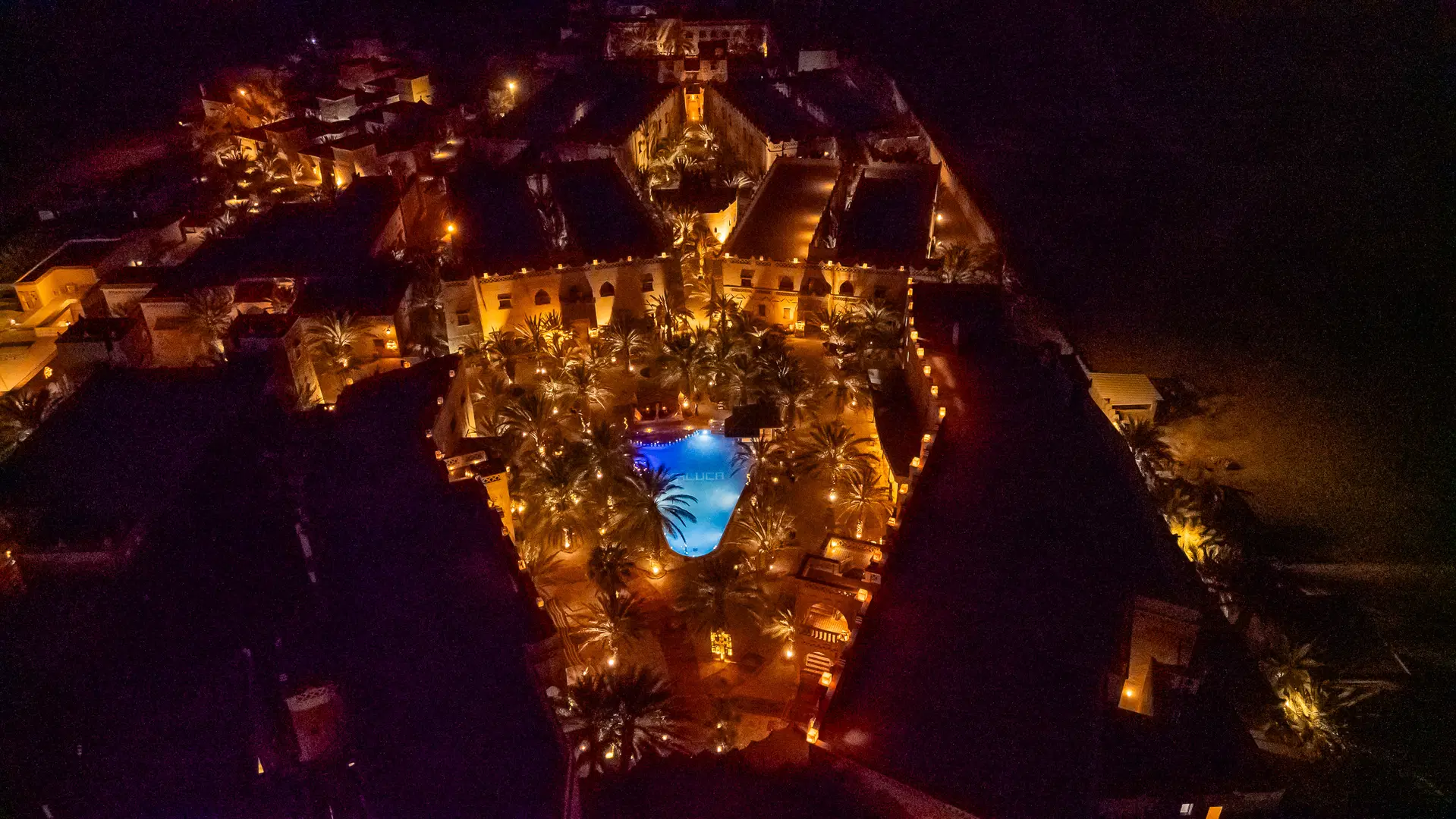
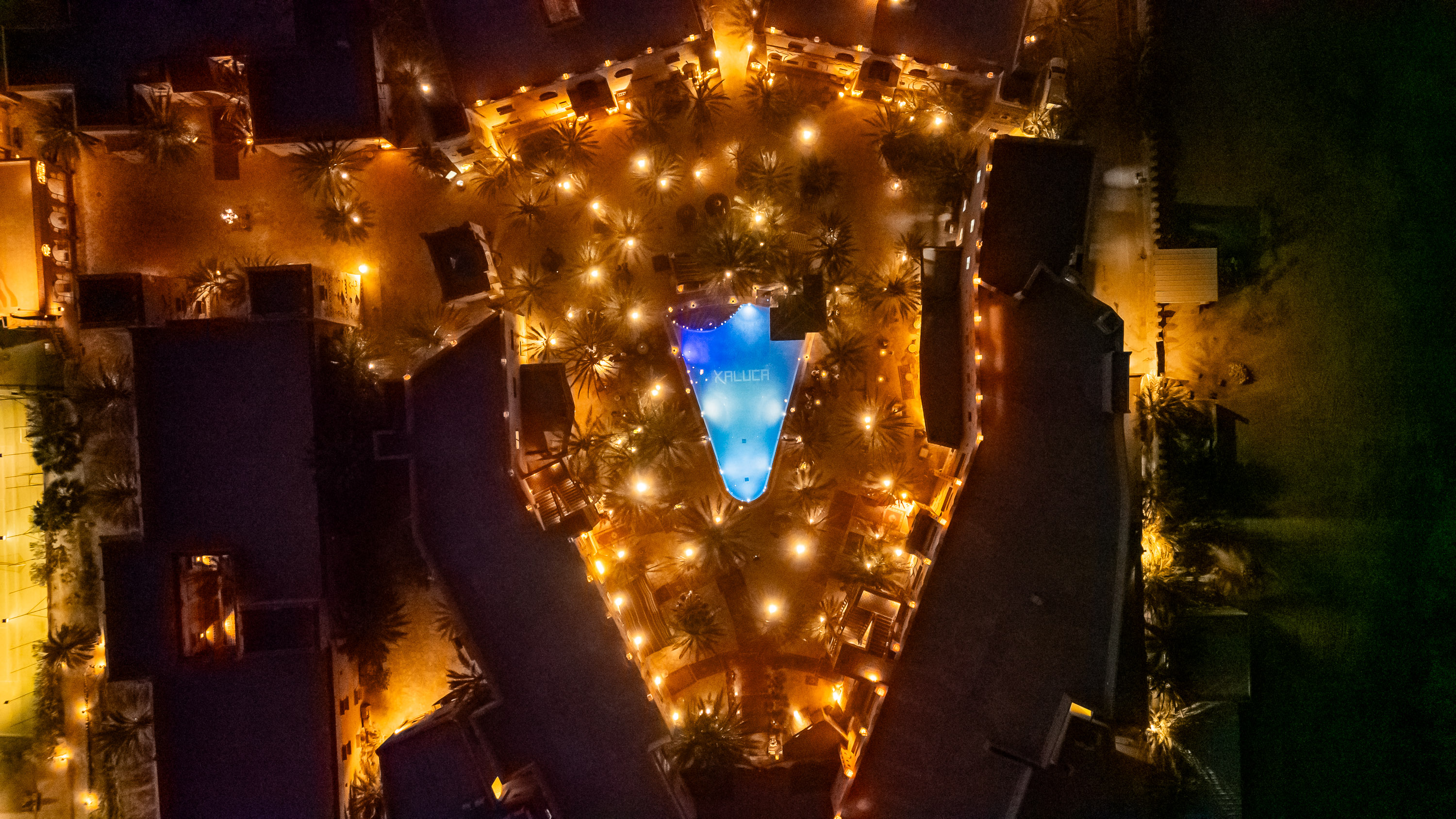
Every Easter, we returned to that part of the country with more friends and family, to share the experience. My relationship with Tayeb became that of lifelong friends. One day, he offered me the chance to build a small hotel with a handful of rooms on the outskirts of Arfoud — a kind of symbolic contribution to a place that had given my family and me so much hospitality, and where Tayeb had spent his whole life.
And unwittingly, without thinking, letting ourselves be guided by the magic of the country and the affection of its people, today we have a large group of companies and hotels that is an excellent resource for more than three hundred families.
None of this would have been possible if Tayeb and his entire family were not extraordinary people — with huge hearts and an outstanding sense of hospitality — who made us want to show Morocco to others.